
The legal technology landscape has undergone remarkable transformation over the past decade. As we stand at the threshold of the agentic AI era, understanding how previous technology waves have prepared us for this moment becomes critical for legal operations leaders planning their next moves.
Understanding Agentic AI in Legal Context
Agentic AI represents systems that can operate with meaningful autonomy, governed by sensible rule and guardrails, executing tasks, making decisions within defined parameters, and coordinating complex workflows without constant human intervention. Unlike earlier AI tools that required explicit instructions for each action, agentic systems can interpret objectives, plan approaches, and adapt their methods to achieve defined outcomes.
The Four Eras That Built Today's Foundation
Era One: Rules-Based Workflows
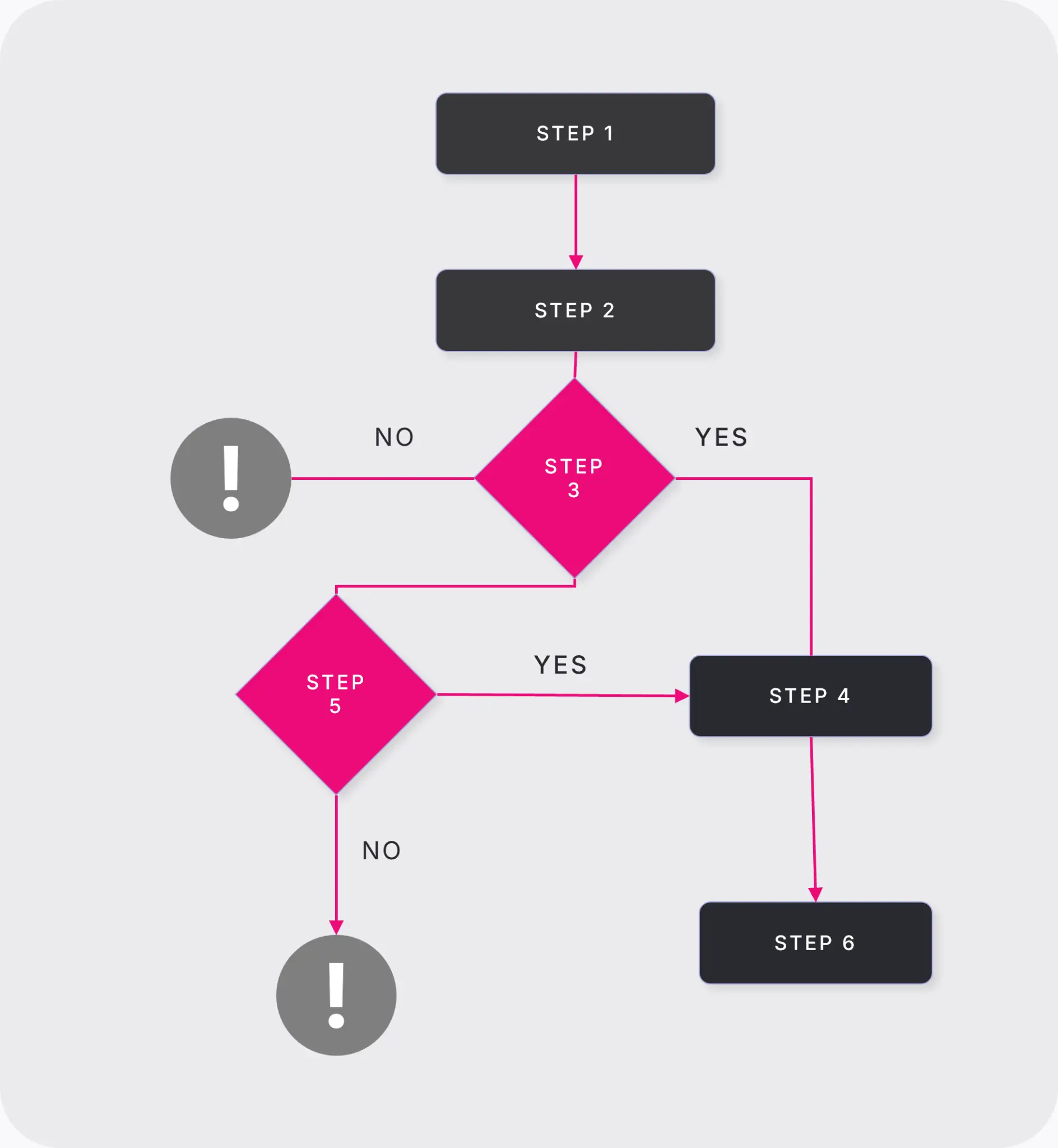
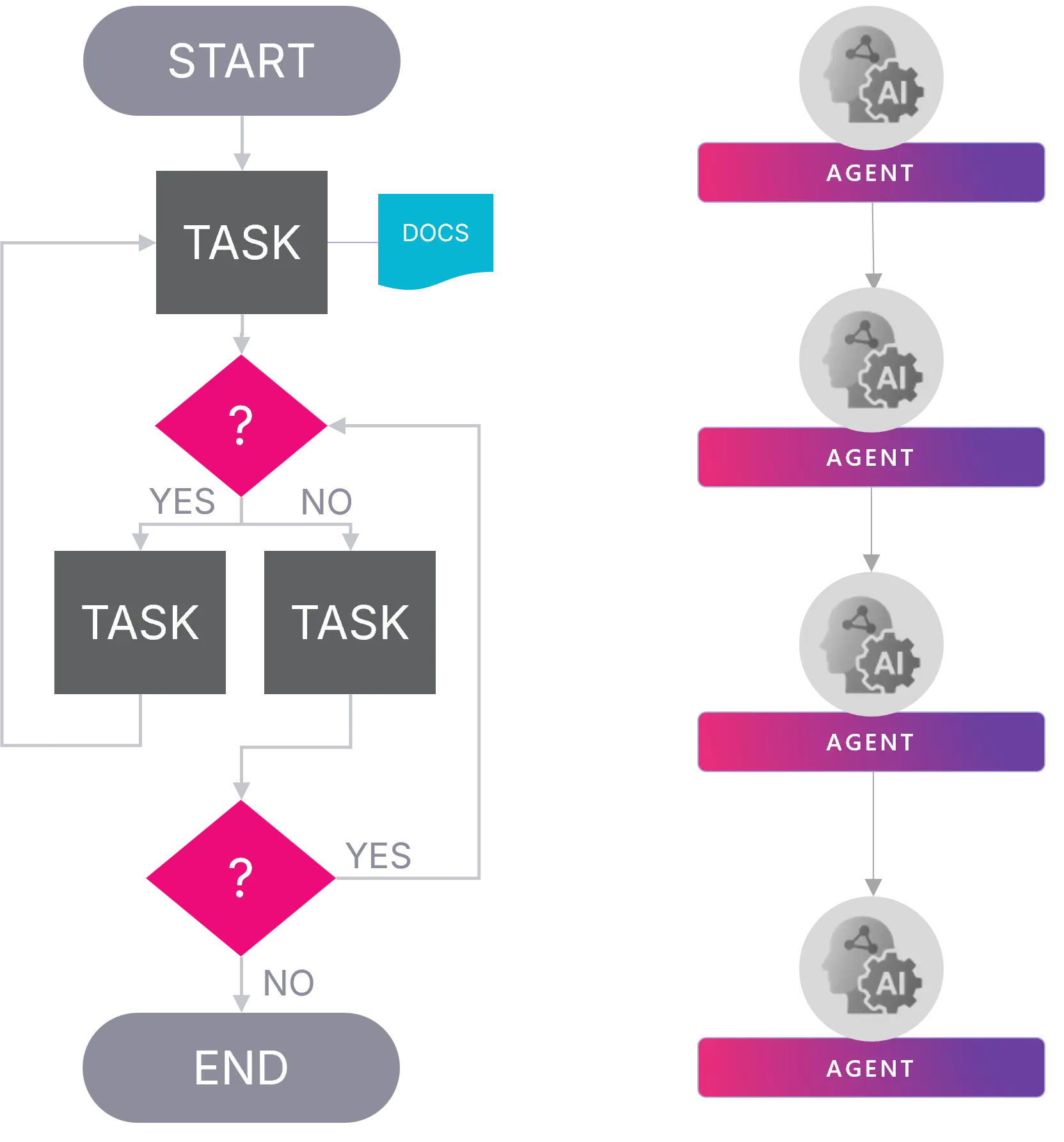
he first wave brought structured automation through expansive logic trees and explicit if/then rules. Legal teams built conditional workflows and document automation systems that excelled when everything proceeded exactly as planned. While these systems lacked flexibility, they established crucial capabilities: the ability to map legal processes into standard workflows, identify repeatable tasks suitable for automation, and define clear decision points.
To use these early systems effectively, legal operations teams needed to think systematically about the steps and stages of legal work. This approach remains foundational for agentic AI implementation.
Era Two: Task-Specific Machine Learning
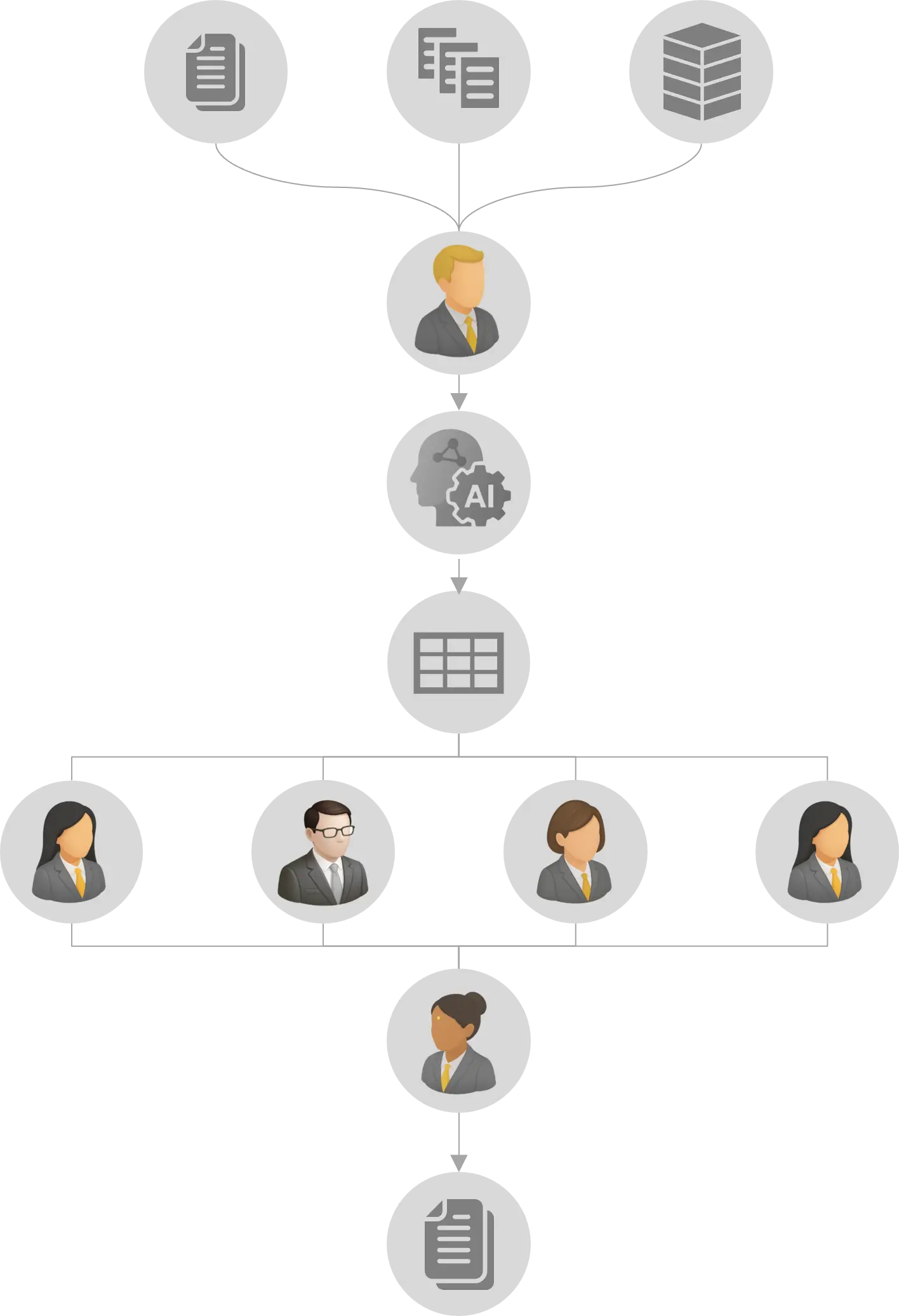
The second era introduced systems that could learn concepts rather than just follow rules. These machine learning tools required extensive training for highly specific tasks, moving beyond rigid logic to recognize patterns and make predictions.
However, their narrow focus created bottlenecks. Teams invested significant time training models for specific outputs, which then required substantial downstream review. The lesson: powerful AI needs to serve broader workflows, not create isolated islands of automation.
Era Three: The LLM Revolution
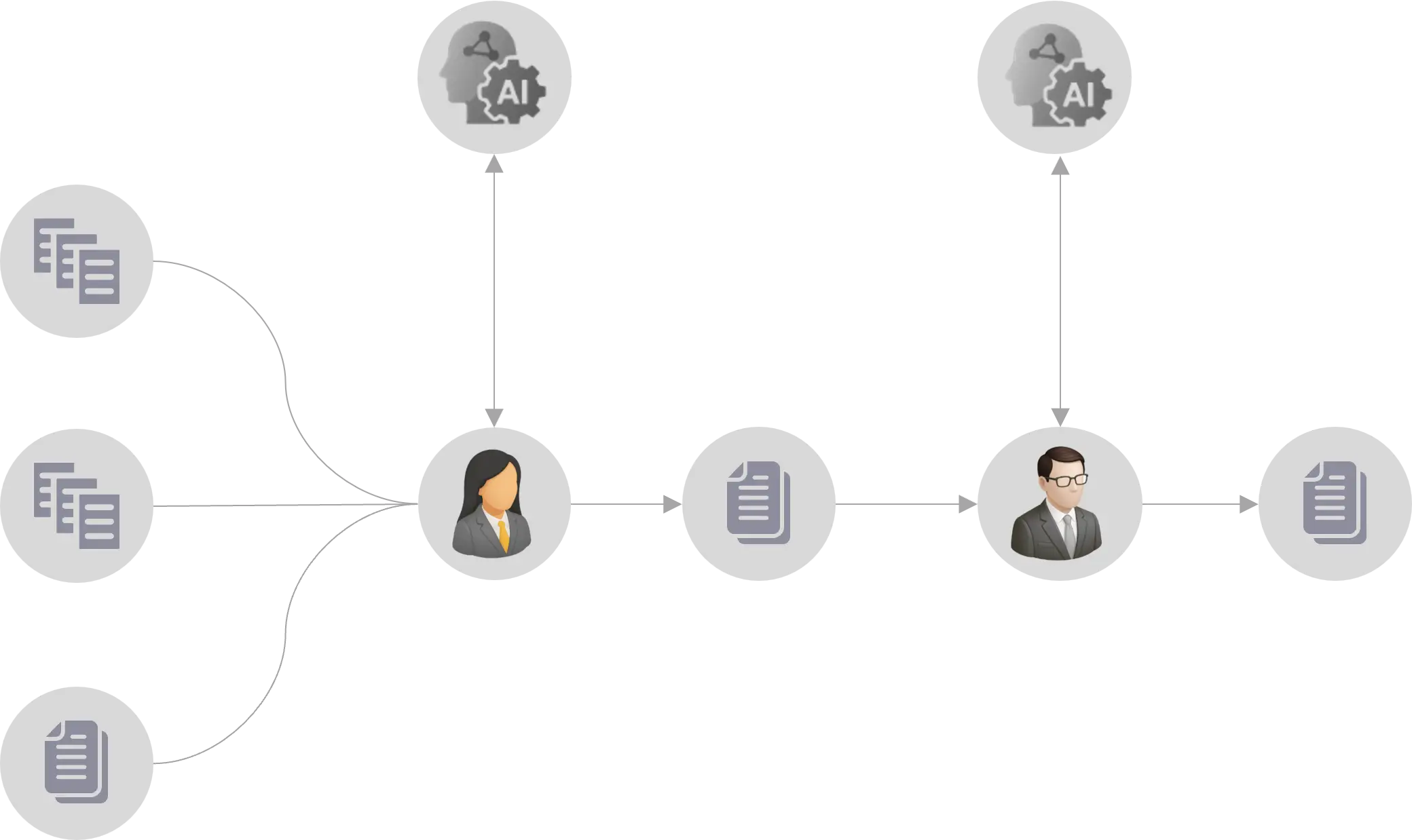
Large language models fundamentally changed how humans interact with software. For the first time, legal professionals could communicate with technology in natural language, describing what they needed rather than programming each step.
The challenge shifted from explaining what AI could do to managing an overwhelming array of possibilities. LLMs proved competent across many tasks but operated sequentially, handling one request at a time without shared context between interactions. They also operated on an individual employee-to-software basis.
Era Four: The Convergence
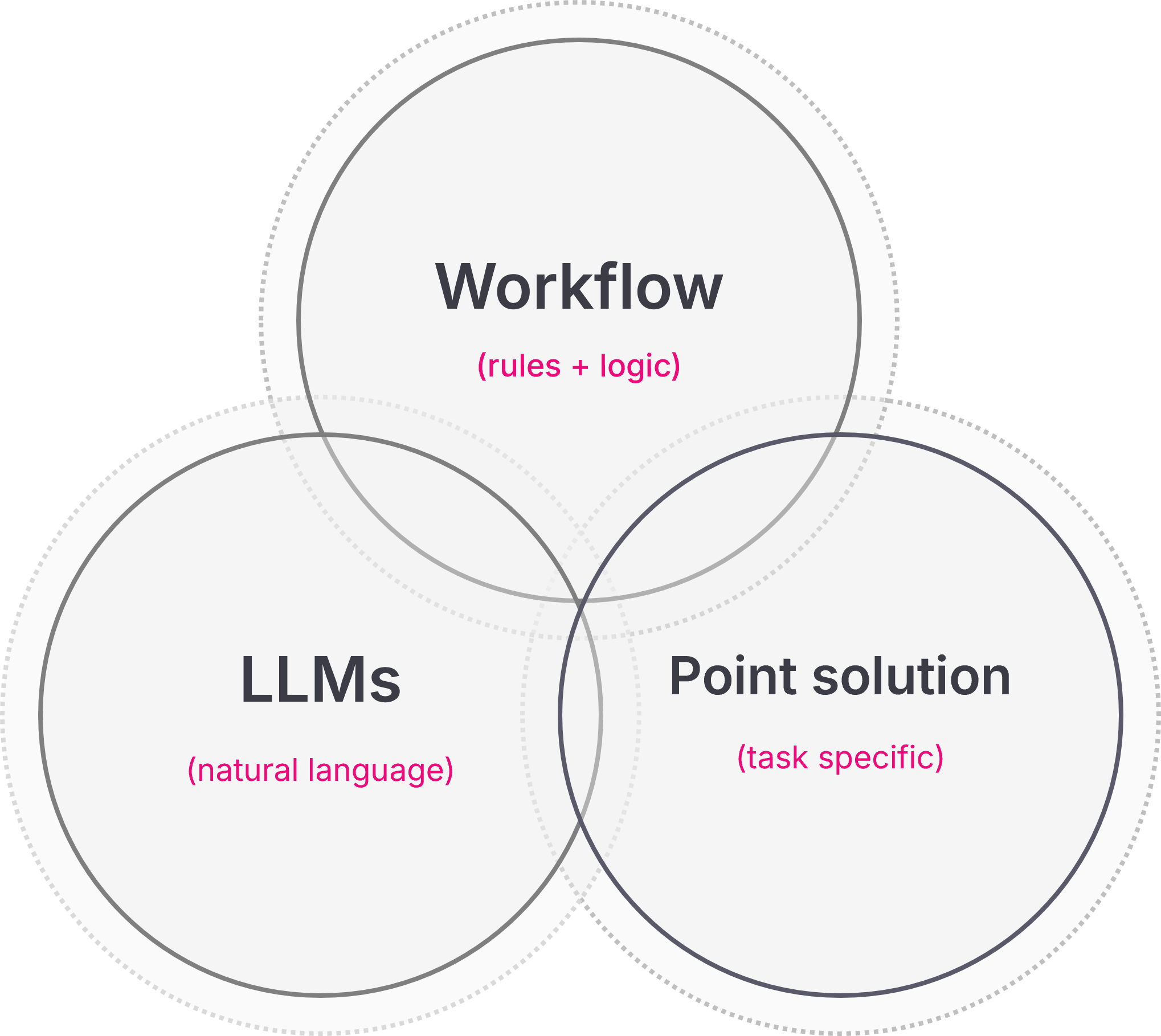
Today's agentic AI systems synthesize capabilities from all three previous eras:
- Rules and logic from workflow automation define guardrails and escalation points
- Task specificity from machine learning enables specialized expertise for different legal domains
- Natural language from LLMs allows intuitive interaction and instruction
This convergence creates systems that can coordinate multiple specialized agents, maintain context across complex workflows, and operate with appropriate autonomy while respecting defined boundaries.
Leveraging Existing Legal Operations Skills
Legal operations teams are uniquely positioned to implement agentic AI because they already possess the critical skills needed:
Current LegalOps capabilities:
- Identifying key touchpoints between legal and business functions
- Mapping legal processes into standard workflows
- Selecting repeatable tasks for automation
- Integrating existing systems of record
Future agentic responsibilities:
- Translating legal processes into multi-agent workflows
- Defining rules, guidelines, and escalation points for autonomous operations
- Integrating agentic systems into wider business processes with legal touchpoints
The core competencies remain consistent. The tools become more powerful.
Practical Implementation: Mapping Agents to Workflows
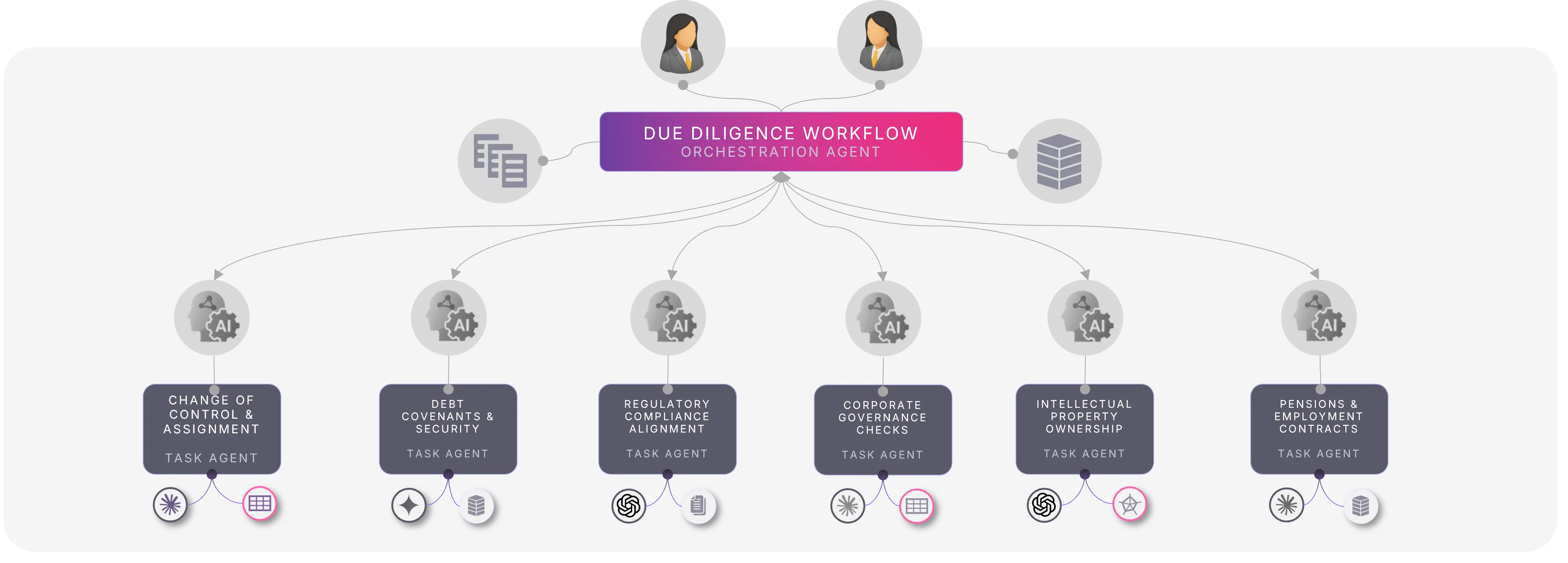
Consider a pre-M&A due diligence workflow. Rather than a single AI tool attempting to handle everything, an agentic approach deploys specialized agents, each focused on specific risk categories:
- Change of control and assignment provisions
- Debt covenants and security interests
- Regulatory compliance alignment
- Corporate governance checks
- Intellectual property ownership
- Pensions and employment contracts
An orchestration agent coordinates these specialized agents, routing work appropriately and synthesizing results. Each agent operates with defined expertise and clear escalation protocols.
Embedding Agents in Organizational Structure
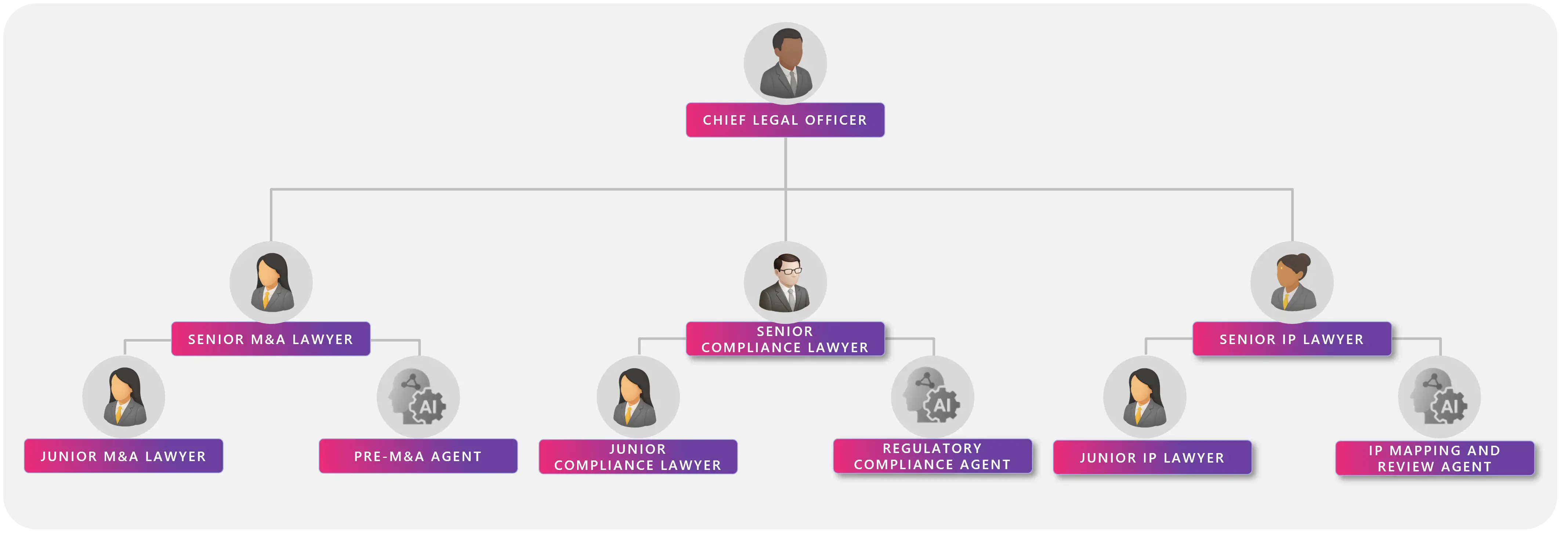
The most successful agentic implementations reframe AI systems as digital teammates integrated into the organizational chart, not external tools bolted onto existing processes.
Rather than viewing an agentic system as software, think of it as a team member with specific responsibilities and reporting relationships. A Pre-M&A Agent might sit organizationally under a Senior M&A Lawyer, handling initial document review and flagging items requiring attorney attention, and based on a predetermined set of rules and guidelines. A Regulatory Compliance Agent could support compliance counsel by monitoring regulatory changes and assessing their impact on existing contracts, with real-time links to the underlying regulations.
This organizational integration clarifies accountability, defines scope, and establishes natural escalation paths when agents encounter situations requiring human judgment.
Three Critical Takeaways for Legal Leaders
1. Leverage Existing Skills
Your legal operations teams already know how to map processes, identify automation opportunities, and integrate systems. These skills translate directly to designing, building and implementing agentic AI that integrates across the enterprise.
2. Map to Current Business Needs
Start with workflows that already have clear processes and defined decision points. Agentic AI amplifies existing organizational capabilities rather than creating entirely new ones. Identify where your team spends time on high-volume, rules-based work that requires expertise but not strategic judgment.
3. Embed Within Organizational Structure
Treat agents as team members, not tools. Define their roles, establish reporting relationships, and integrate them into your organizational chart. This clarity helps both the agents (through well-defined parameters) and your team (through clear expectations about agent capabilities and limitations).
The Path Forward
The convergence of rules-based logic, task-specific expertise, and natural language interaction creates unprecedented opportunities for legal operations transformation. However, success requires more than deploying new technology. It demands thoughtful integration of agentic systems into existing organizational structures and workflows.
Legal operations professionals who have guided their departments through previous technology waves possess exactly the skills needed to lead their organizations through this transition. The question isn't whether your team has the capabilities to implement agentic AI, the question is how quickly you'll recognize that you've been building toward this moment for years.
As we move into this new era, the most successful legal departments will be those that view agentic AI not as a replacement for human expertise, but as a powerful extension of their existing teams, digital colleagues specialized in handling the repeatable, rules-based work that creates bottlenecks in modern legal operations.
The future isn't about choosing between human lawyers and AI systems. It's about architecting legal departments where both work together, each focused on what they do best.